

News
The Industry the Music World Can No Longer Ignore
Once dismissed as little more than imitation, tribute entertainment is now filling venues, creating employment and contributing millions to Britain’s live-music economy. At last, the mainstream media is taking notice

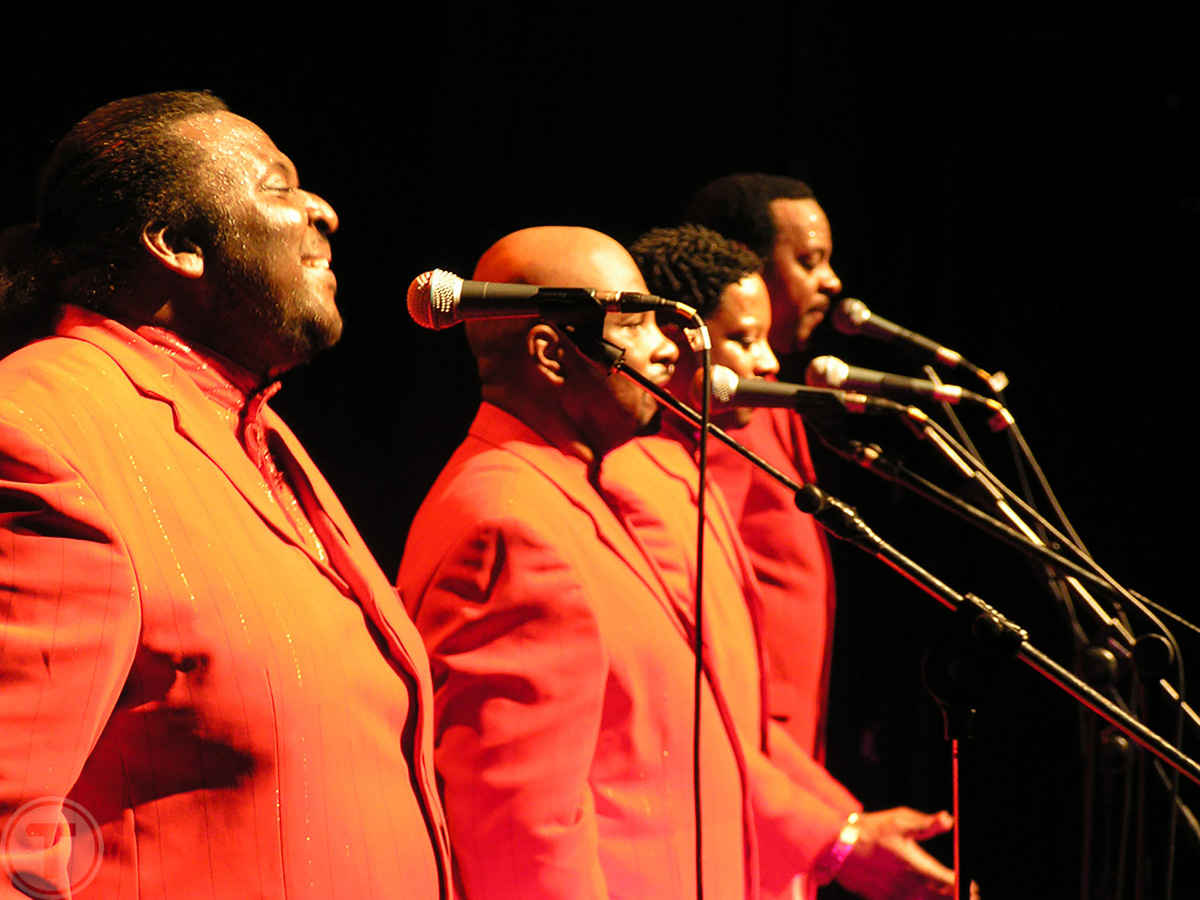
For those of us involved in the tribute world, the success of the industry is hardly breaking news. We see it every weekend in packed theatres, busy music venues and festival fields filled with people singing along to songs they have loved for years.
Nevertheless, it is always encouraging when the wider media takes notice—and that is exactly what happened recently when the Guardian published a substantial feature examining the extraordinary growth of tribute acts in Britain.
The article, written by Daniel Dylan Wray, carried the wonderfully eye-catching headline: “How tribute acts got massive—and put the live music scene back in the black.” It is quite a statement, but the evidence presented suggests it is by no means an exaggeration.
The feature begins at Replika, a tribute festival in Derbyshire which recently achieved a Guinness World Record by presenting 108 acts over the course of one weekend. Just think about that for a moment: 108 tribute acts at a single event. That is not a small corner of the entertainment business—it is an industry confidently occupying centre stage.
According to an estimate quoted by the Guardian, there could now be between 3,000 and 5,000 tribute acts working in the UK. Nobody appears to know the exact number, which perhaps tells us something important in itself. The tribute industry has grown so naturally, and across so many different types of venues, that its true size has never been properly measured.
What can no longer be overlooked is the amount of work it creates.
A successful tribute production is not simply one performer putting on a costume and singing a few familiar songs. Behind every professional show there may be musicians, sound and lighting engineers, costume makers, photographers, designers, agents, promoters, theatre staff and many others. Hotels, restaurants, taxi companies and local businesses also benefit when audiences travel to attend these performances.

The Guardian reports that tribute artists are contributing many millions of pounds to the live-music economy each year. It also cites an estimate from the Music Venue Trust that tribute acts may account for approximately 25 to 30 per cent of bookings at independent UK venues.
If that estimate is anywhere near correct, the tribute industry is not merely participating in live music—it is helping to keep live music alive.
That is especially important at a time when grassroots venues are under enormous financial pressure. A well-supported tribute night can fill a room, provide valuable bar income and give a venue the confidence to take a chance on a new or original artist later in its programme. The two sides of the music business do not have to be enemies; one can help support the other.
Affordability is undoubtedly another reason for the industry’s success. Tickets to see some of the world’s biggest stars have become prohibitively expensive for many families. Add the cost of travel, accommodation and refreshments, and a night at a stadium can quickly become a major financial undertaking.
A good tribute show offers something different. It allows audiences to hear the music they love—often in a more intimate venue and at a price they can afford. It is local, accessible and, above all, enjoyable.
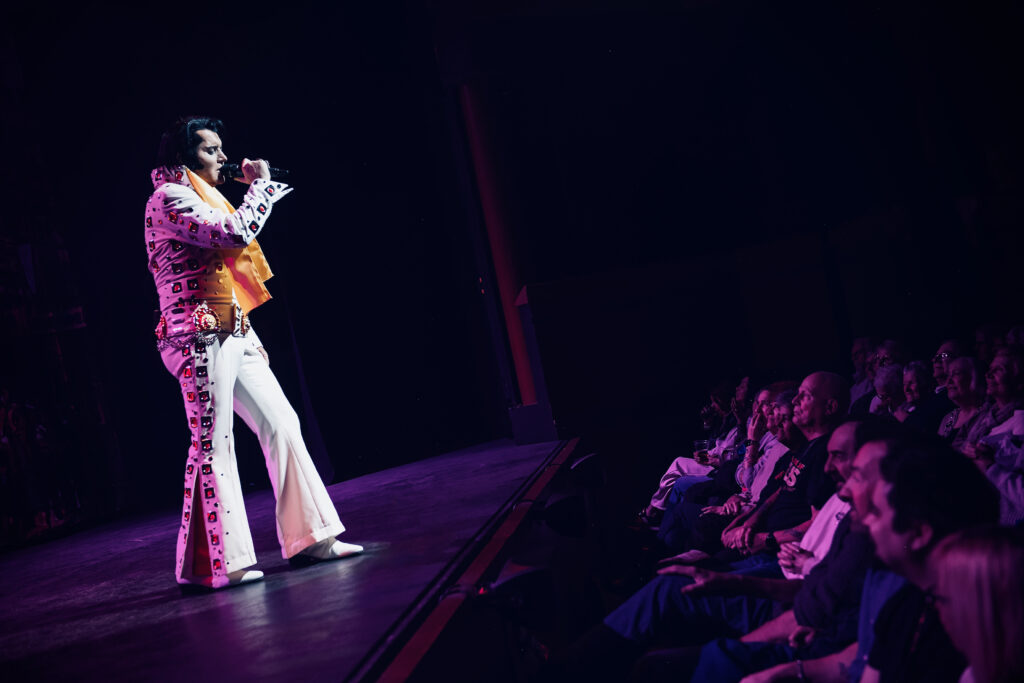
There is also a new generation discovering legendary music through tribute performers. Young people who never had an opportunity to see artists such as Elvis Presley, Freddie Mercury, Amy Winehouse or Johnny Cash can still experience their songs performed live. Nobody in the audience genuinely believes they are watching the original artist. That is not the point. The purpose is to celebrate the music and keep its spirit alive.
Of course, there will always be those who look down on tribute entertainment. The old image of a questionable wig, a backing track and an ill-fitting costume has proved remarkably difficult to shake off.
Anyone who has watched one of today’s leading tribute productions knows how outdated that stereotype has become.
The finest performers study every detail of their chosen artist: the voice, phrasing, movement, musical arrangements, clothes and, most importantly, the emotional character of the songs. Reaching that standard requires talent, discipline, investment and years of hard work. Resemblance may help, but appearance alone cannot hold an audience for an entire evening.
There are thoughtful questions to consider. Original musicians need stages on which to develop, and no healthy music scene should consist entirely of familiar names and familiar songs. There must be room for new work alongside nostalgia.
However, blaming tribute acts for the difficulties facing original music would be far too simplistic. The real problems are considerably broader, encompassing venue closures, touring costs, streaming economics and the changing ways in which audiences spend their money.
The most important thing about the Guardian article is not simply its impressive collection of figures. It is the fact that a major national newspaper has treated tribute entertainment as a serious cultural and economic subject.
For many years, this industry has been described as though it were a novelty. The reality is very different. Tribute artists sell tickets, sustain venues, create employment, introduce younger audiences to great music and give thousands of people a memorable night out.
Perhaps the rest of the world is finally beginning to recognise what our readers already know.
The tribute industry is not waiting in the wings anymore. It has earned its place in the spotlight.
This article was inspired by and responds to Daniel Dylan Wray’s Guardian feature, “How tribute acts got massive—and put the live music scene back in the black,” published on 24 July 2026.






News
Trafalgar Entertainment acquires regional operator HQ Theatres
Trafalgar Entertainment acquires major UK regional theatre operator HQ Theatres.


The Industry the Music World Can No Longer Ignore

Johnny Cash Roadshow | Towngate Theatre | 16.07.26

Rave On Interview


-
 Reviews3 years ago
Uncle Funk’s Disco Inferno | Harlow Playhouse | 14.10.23
-

 Reviews2 years ago
The Rozzers | Mirren Studio | 05.10.24
-
 Headliners2 years ago
Rave On Interview
-

 Backstage2 years ago
Women In Rock Interview
-

 Reviews2 years ago
The Americana Review | The Stables Wavendon | 30.06.24
-

 Headliners2 years ago
Endless Love Interview
-

 Videos3 years ago
Video Interview with Back to Bacharach
-
 Reviews2 months ago
Johnny Cash Roadshow | Towngate Theatre | 16.07.26